Agricultural trade between Mexico and the United States is essential to the economies of both countries. In April 2024, significant trends were observed in the export and import of agricultural products, highlighting key commodities and trade routes.
Main Agricultural Exports from Mexico to the United States
During April 2024, Mexico continued to be a key supplier of agricultural products to the United States. Some of the most notable products included:
- Avocados: Mexico is the world's leading avocado producer, with the United States as its primary market, accounting for 81% of Mexico's avocado exports.
- Tomatoes: Another key agricultural export from Mexico, widely grown in states such as Sinaloa and Baja California.
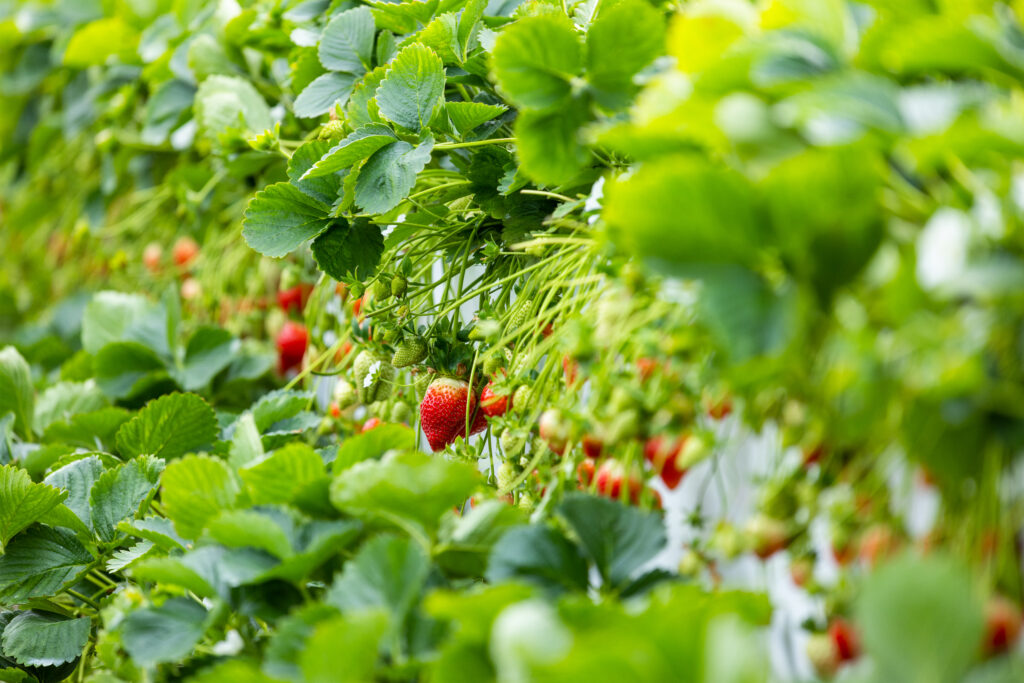
- Berries: Strawberries, raspberries, and blueberries, primarily produced in Michoacán and Jalisco, have gained increasing importance in the U.S. market.
Growing Regions and U.S. Destinations
These products are grown across different regions of Mexico:
- Avocados: Mainly produced in Michoacán.
- Tomatoes: Sinaloa and Baja California.
- Berries: Michoacan and Jalisco.
These products are shipped to multiple states across the United States, with high demand in California, Texas, and New York.
Border Crossings and Transportation Methods
The main border crossings used for these agricultural products include:
- Laredo, Texas: One of the busiest border crossings for fresh produce.
- Nogales, Arizona:A key entry point for agricultural products from northwestern Mexico.
Depending on the product, different types of freight equipment are used:
- Reefer trailers: Used for perishable products such as berries and avocados, helping maintain the cold chain throughout transportation.
- Dry vans: Used for products that are less sensitive to temperature.
Main Agricultural Imports from the United States to Mexico
Regarding agricultural imports from the United States to Mexico in April 2024, the following products stood out:
- Corn: The United States is one of Mexico's main corn suppliers.
- Soybeans: Used in the food and animal feed industries.
- Dairy products: Including powdered milk and cheese.
Regions of Origin and Destinations in Mexico
These products come from various agricultural regions across the United States and are distributed throughout Mexico, with a higher concentration in the northern and central regions of the country.
Border Crossings and Transportation Methods
The main border crossings used for these imports include:
- Nuevo Laredo, Tamaulipas: A key point for bilateral trade.
- Ciudad Juárez, Chihuahua: Another significant entry point for U.S. products.
As with exports, the type of transportation varies depending on the product:
- Reefer trailers: Used for dairy products and other perishable goods.
- Dry vans: Used for grains and non-perishable products.
Key Data from April 2024
In April 2024, agricultural trade between Mexico and the United States remained stable, with increases in certain products driven by seasonality and market demand. For example, avocado exports increased by 5% compared to the same month of the previous year, reflecting growing demand in the United States.
Conclusion
Agricultural trade between Mexico and the United States is vital to both economies, supported by efficient logistics that help ensure the quality and freshness of products throughout the supply chain. Continued collaboration and the ability to adapt to market demands are essential to maintaining and strengthening this important trade relationship.
What does the future hold for agriculture and ground transportation in April 2025?
Sources: Santander / MexicoMovamos / OpenAi